
PRODUCTS>Fully Automatic Fryer

Fully Automatic Fryer

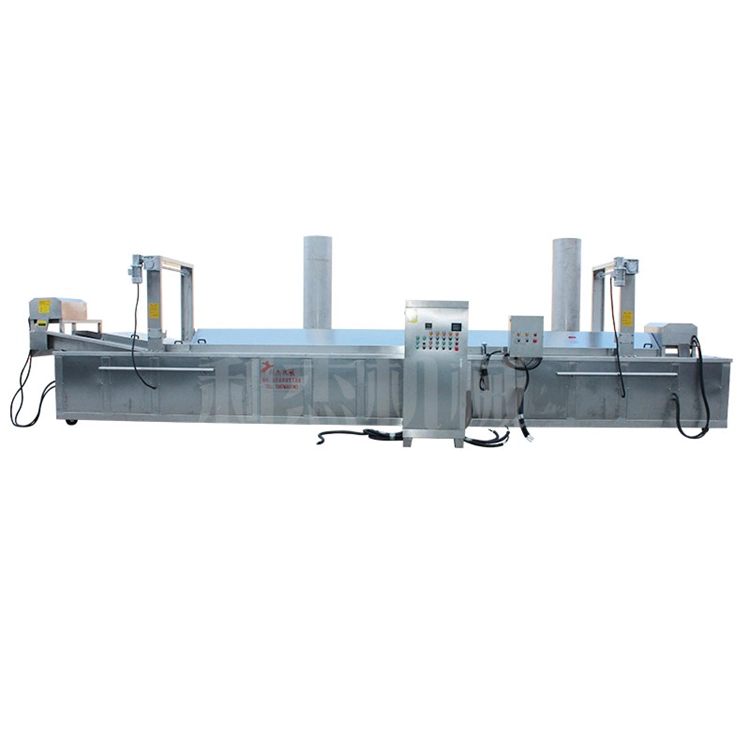
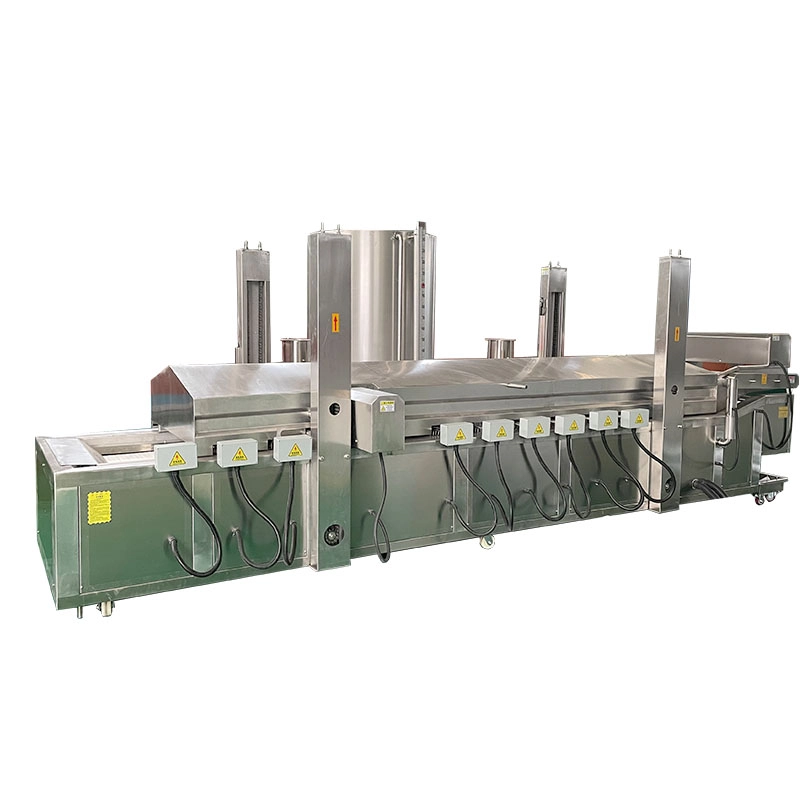
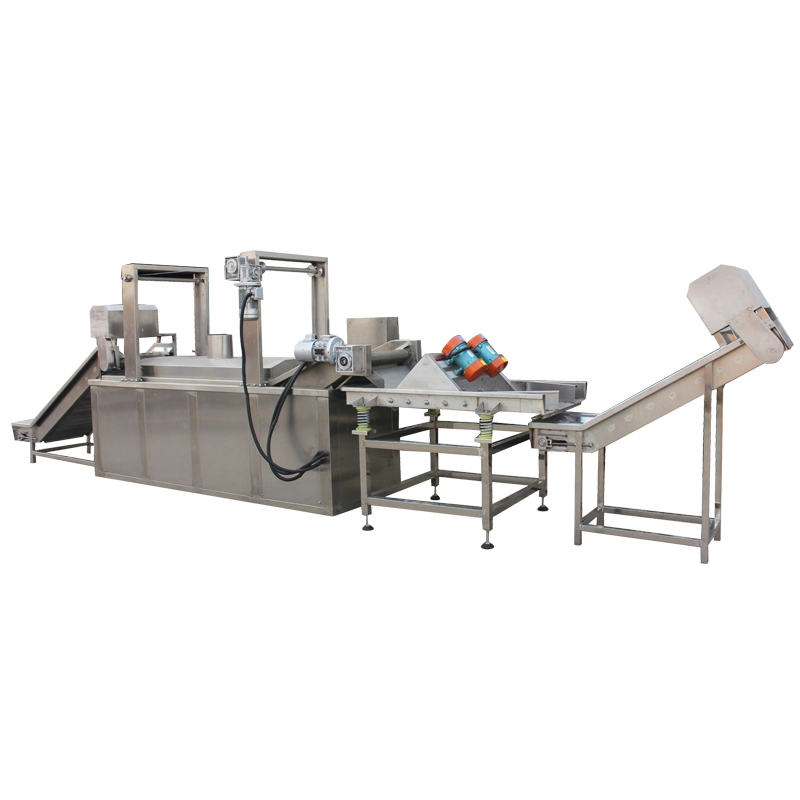
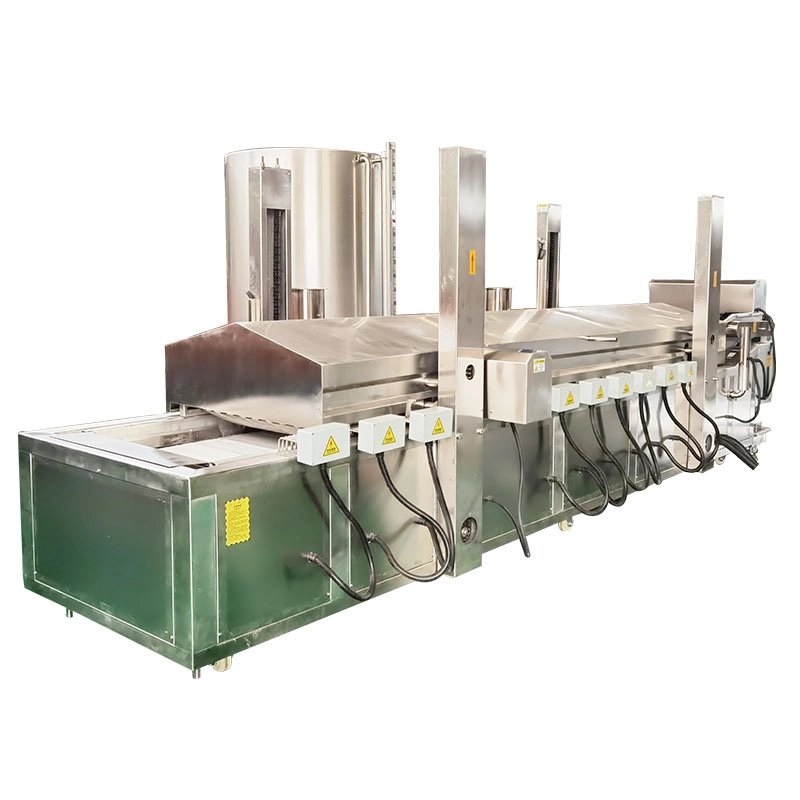
A fryer is an industrial device that uses high-temperature oil to heat and cook food quickly. It is widely applied in the food industry for nuts, meat products, puffed foods, frozen foods, fruit and vegetable chips, and more. Its main function is to precisely control the oil temperature, frying time and food conveying speed to realize the forming, puffing, dehydration and cooking of food, thereby improving the flavor and overall quality of finished products.

Product Introduction

Basic Structure and Working Principle:

1. Heating System

  • Direct heating: It heats oil directly by electric heating elements, gas flame or fuel combustion. It features high thermal efficiency but may accelerate oil quality deterioration.
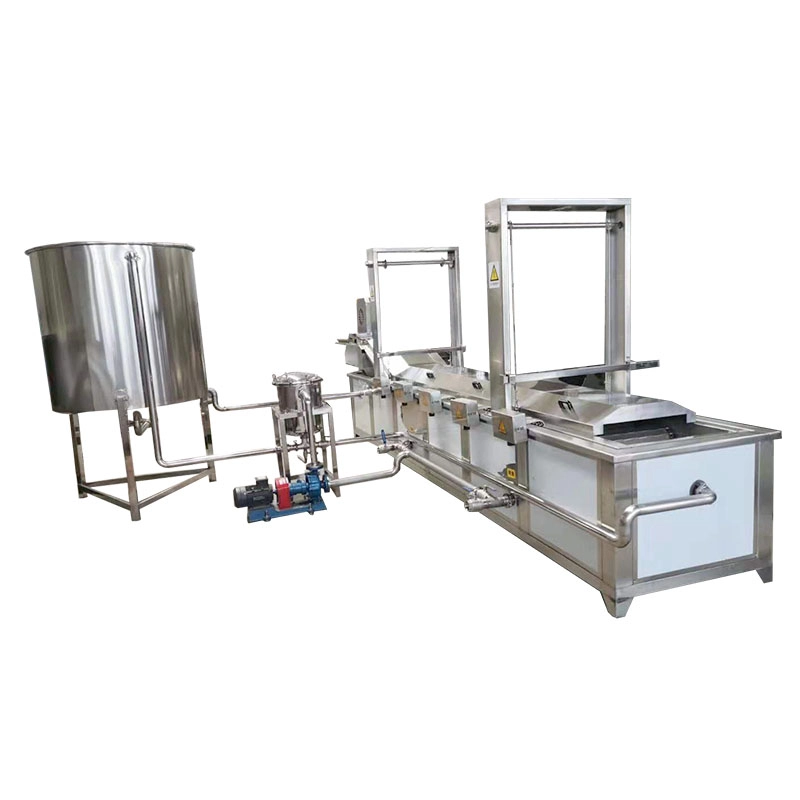
  • Indirect heating: It uses thermal oil or steam as the heating medium, and heats the frying oil through a heat exchanger. This avoids direct contact between the oil and the high-temperature heat source, extending the service life of the oil (e.g., external heat exchanger design).
  • Heating methods: It supports multiple energy sources such as electricity, gas, coal and thermal oil, adapting to various production scenarios.

2. Oil Tank and Conveying System

  • Oil tank design: Made of stainless steel, equipped with an insulation layer to reduce heat loss, and features a sedimentation zone at the bottom for easy residue discharge.
  • Conveying system: Automatically transports food via mesh belts or chain conveyors, with variable frequency speed control to adjust frying time and ensure continuous production.

3. Filtration and Residue Removal System

  • Fine filtration device: Adopts multi-stage filtration (such as coarse filter mesh and fine filter paper) or vacuum oil filtration to filter food residues and free fatty acids in real time, extending oil service life by 30% to 50%.
  • Residue discharge design: Residues settle automatically in the water layer or are discharged by a residue scraper, lowering the frequency of manual cleaning.

4. Temperature Control and Safety System

  • Intelligent temperature control: PID regulation technology enables precise oil temperature control within ±1 °C, supporting multi-stage heating and zoned temperature control.
  • Safety protection: Equipped with over-temperature alarm, CO₂ fire suppression interface, anti-floating mesh conveyor belt and other configurations, minimizing operational risks.


Technical Parameters and Performance Indicators:

  • Oil temperature range: 60 °C to 230 °C, suitable for diverse food processing requirements.
  • Production capacity: Depending on the model, the processing capacity can reach 100 to 3000 kg/h.
  • Filtration precision: Able to trap particles larger than 0.5 μm, with filtration efficiency ≥95%.
  • Automation level: Supports continuous production.

Application Scenarios and Advantages:

1. Applicable Food Types

  • Nuts: Peanuts, peas (to maintain a crispy texture).
  • Puffed foods: Potato chips, prawn crackers (to prevent residues from causing a soggy texture).
  • Meat products: Chicken nuggets, fish fillets (to reduce greasy taste and enhance color).
  • Seafood: Yellow croaker, hairtail (to prevent oil loss from affecting flavor).
  • Soybean products: Dehydrated tofu, fish tofu (to avoid flavor cross-contamination).
  • Frozen foods: Fried dough sticks, spring rolls (for rapid dehydration and shaping).

2. Main Advantages

  • Energy and fuel saving: The oil recycling rate is increased by 50%, and thermal efficiency is improved by 20% to 30%.
  • High automation: Reduces manual intervention and boosts production efficiency.
  • Stable food quality: Precise temperature control ensures consistent color and flavor of finished products.
  • Environmental compliance: The fume purification system meets emission standards and lowers pollution.
  • Safety and reliability: Multiple protection systems reduce operational risks.


Selection and Maintenance Recommendations:

1. Selection Considerations

  • Capacity matching: Select equipment specifications according to daily processing capacity (e.g., small equipment: 50 kg/h; large equipment: 500 kg/h).
  • Heating method: Electric heating is suitable for small-scale production; gas heating fits continuous production; thermal oil heating is ideal for large-scale production lines.
  • Filtration precision: High value-added food requires vacuum oil filters, while ordinary food can use plate-type oil filters.
  • Automation requirements: Fully automatic models support customized design, whereas semi-automatic models deliver a better cost-performance ratio.

2. Maintenance Key Points

  • Daily cleaning: Clean the filter and oil sump every day to prevent residue blockage.
  • Oil quality inspection: Regularly check the acid value and peroxide value of the frying oil, and replace deteriorated oil in a timely manner.
  • Component inspection: Check the sealing performance of the heat exchanger and the operating condition of the oil pump monthly to ensure no leakage occurs.
  • Professional maintenance: The manufacturer shall conduct comprehensive maintenance every six months, including cleaning heat exchanger pipelines and calibrating the temperature control system.
`
Products
Contacts
WhatsApp
Email