
PRODUCTS>Multi-layer Belt Dryer

Multi-layer Belt Dryer

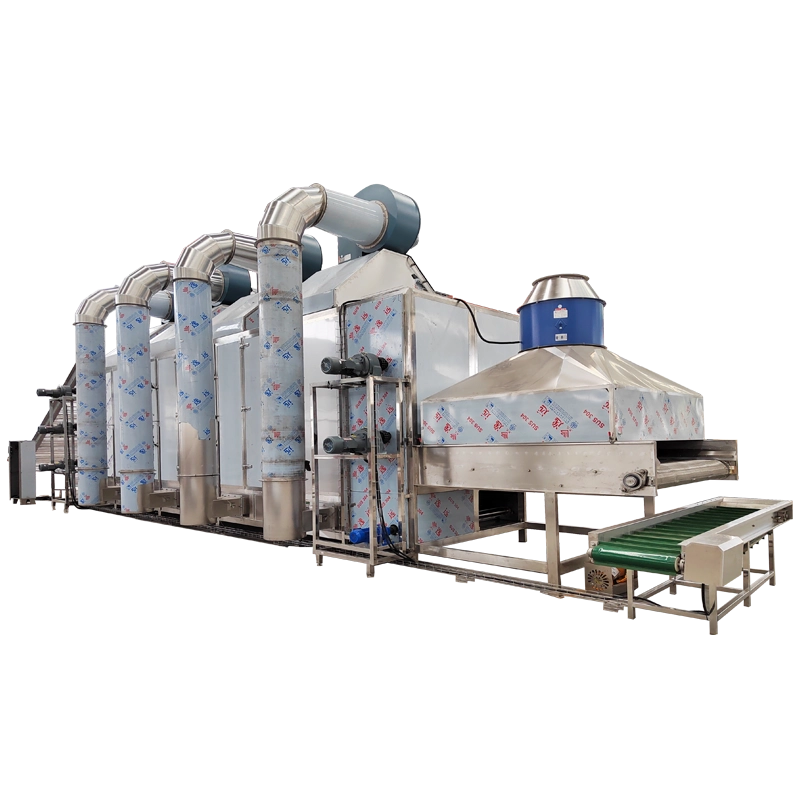
Multi-layer belt dryers are a type of high-efficiency and energy-saving continuous drying equipment, widely used in food, chemical, pharmaceutical, building materials and other industries. They are especially suitable for processing sheet, strip and granular materials with good air permeability, such as dehydrated vegetables, slices of Chinese medicinal herbs and chemical raw materials.

Product Introduction

Working Principle:

  • Multi-layer belt dryers achieve drying through direct contact between hot air and materials. The working process is as follows:
  • Material feeding: Materials are evenly distributed onto the first layer of the conveyor belt by a feeder.
  • Belt conveying: Driven by the transmission device, the conveyor belt moves at a constant speed, and the material passes through each layer in sequence.
  • Hot air circulation: Hot air enters from the bottom or side of the conveyor belt, penetrates the material layers and removes moisture. Humid air is discharged via the dehumidification system, and part of the hot air can be recycled to improve thermal efficiency.
  • Layer-by-layer drying: Materials fall layer by layer between the multiple conveyor belts, undergoing multiple turnover cycles and direct contact with hot air, thus completing the drying process.

Structural Composition:

A multi-layer belt dryer generally consists of the following main components:
  • Multi-layer mesh belt system: Made of stainless steel or high-temperature resistant materials; the number of layers is customizable (usually 3 to 10 layers). The mesh belt operates continuously driven by a driving mechanism.
  • Feeding system: Consists of hoppers and a material distributor to ensure even spreading of materials onto the first layer of the mesh belt.
  • Drying system: Composed of a hot air furnace (powered by electric heating, gas, steam or other heat sources), hot air circulating fans and air duct systems. Hot air circulates between the mesh belt layers to provide the heat required for drying.
  • Discharging system: Installed at the bottom of the equipment, it automatically discharges dried materials through a discharging device.
  • Dehumidification system: A dehumidifying fan quickly exhausts water vapor generated during drying, maintaining a dry internal environment.
  • Control system: Integrated with PLC and touch screen interface, enabling real-time adjustment of parameters such as temperature, air volume and mesh belt speed for automated operation.
  • Auxiliary systems: Include an optional cooling section, dust removal device and safety protection components to enhance equipment performance and operational safety.


Technical Characteristics

1.High efficiency and energy saving

  • The multi-layer structure makes full use of vertical space, greatly increasing output per unit area and saving workshop floor space.
  • Adopting hot air circulation technology achieves a thermal efficiency of over 70%, effectively reducing energy consumption.

2.Uniform drying effect

  • Guide plates installed between layers optimize the directional flow of the drying medium, ensuring even drying of materials.
  • Gradient temperature control technology allows setting different temperature zones on each layer — for example, high temperature for moisture evaporation on the upper layers and low temperature for shaping on the lower layers — preventing surface hardening and internal moisture retention.
3.Wide adaptability
  • Suitable for processing various forms of materials, including granules, flakes, strips and powders.Parameters such as belt speed, temperature and humidity can be flexibly adjusted according to material characteristics, realizing multi-purpose use of a single machine.

4.High degree of automation

  • Built-in PLC control and touch screen interface support continuous and fully automated production.
  • Some high-end models are integrated with IoT modules, enabling connection to smart factory management systems for digital production process monitoring and management.
5.Environmentally friendly and safe
  • Gas-fired models adopt low NOₓ combustion technology, while all configurations are equipped with high-efficiency filtration systems to reduce exhaust emissions and meet environmental protection standards.The equipment features excellent sealing performance, minimizing dust leakage and improving the workshop working environment.
  • It is fitted with safety devices such as overheating protection and automatic shutdown to ensure stable and safe operation.

Selection and Maintenance:

Selection Considerations:

  • Material characteristics: Take into account factors such as initial moisture content, heat sensitivity, particle size and viscosity of the material.
  • Capacity requirements: Select a model with a suitable number of layers and conveyor belt width according to the hourly processing capacity.
  • Heat source type: Choose electric heating, gas heating or steam heating based on energy costs and environmental compliance requirements.
  • Space constraints: Ensure the factory height and floor area meet the overall dimension requirements of the equipment.
  • Automation level: Select optional functions such as remote control and data traceability according to production management needs.

Maintenance:

  • Daily maintenance: Clean the equipment exterior daily, lubricate bearings and other moving parts, check belt tension, and fasten parts loosened by vibration.
  • Periodic inspection: Monitor hot air temperature and humidity sensors as well as the operating status of the transmission device to ensure equipment stability.
  • Dehumidification management: Clean dehumidification pipes in a timely manner to prevent water vapor condensation and pipeline blockage.
  • Conveyor belt cleaning: Clear residual materials on the belt surface after shutdown to avoid material buildup affecting heat transfer efficiency.
  • Heat source maintenance: For gas-powered units, clean the combustion chamber regularly; for steam-powered units, inspect pipeline seals periodically.
  • Filtration system maintenance: Replace filter elements of dust collection devices regularly to ensure unobstructed ventilation.
`
Products
Contacts
WhatsApp
Email