
PRODUCTS>Fryer

Fryer

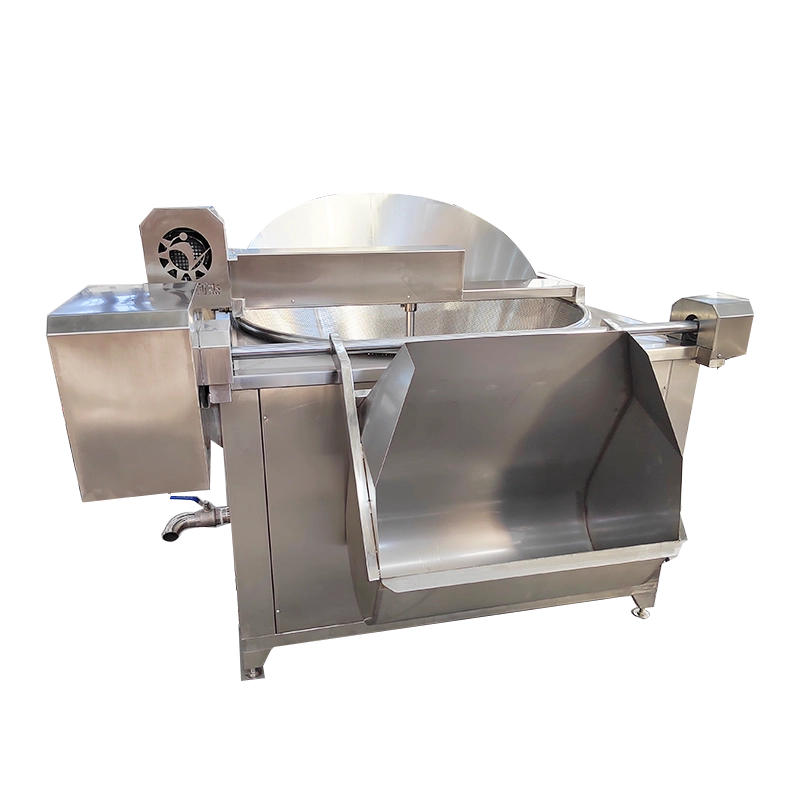
Fryers are common kitchen equipment widely used in various catering establishments and food processing plants. Their main function is to heat and cook food quickly by submerging it in hot oil, forming a crispy outer layer that locks in the moisture and flavor inside the food.

Product Introduction

Working Principle:

Fryers operate through the physical processes of heat conduction and convection. When cooking oil is heated to a set temperature (usually between 160 °C and 190 °C), food is submerged into it. The high-temperature oil rapidly transfers heat to the food surface, causing moisture to evaporate quickly, proteins to coagulate, and starch to gelatinize, thereby forming a crispy outer layer. Meanwhile, the moisture inside the food is locked in, making fried food crispy on the outside and tender on the inside with an excellent flavor.

Structural Composition:

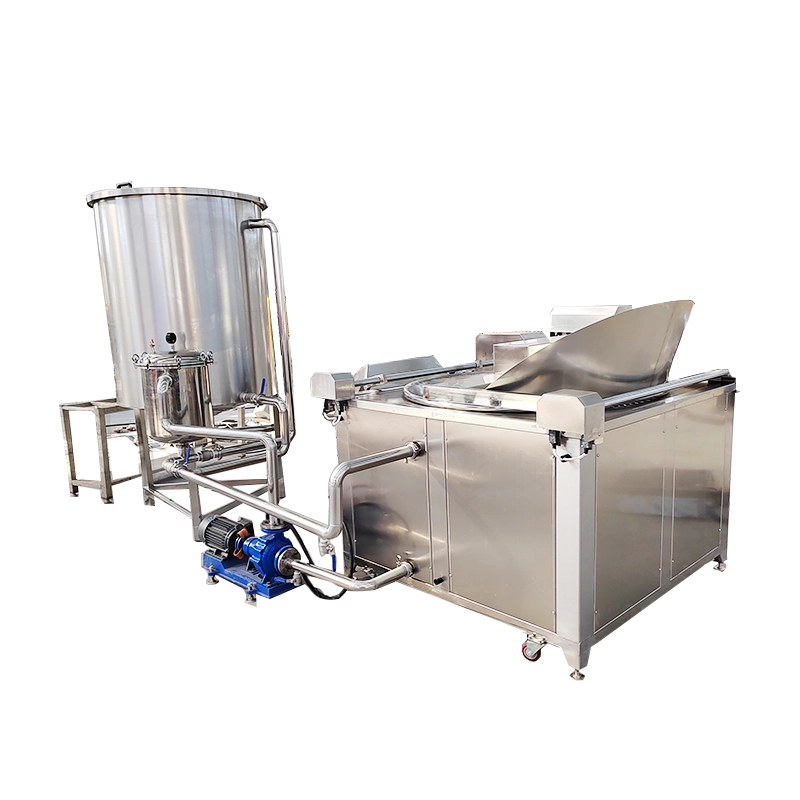
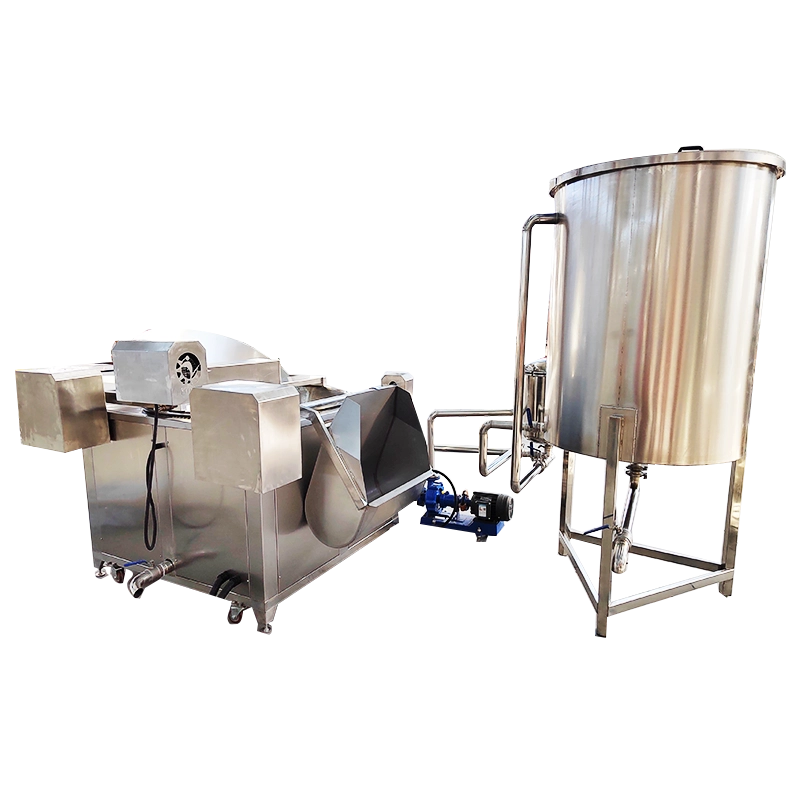
A fryer mainly consists of the following parts:

  • Fryer body: Usually made of stainless steel, it delivers excellent corrosion and high temperature resistance, and is easy to clean and maintain.
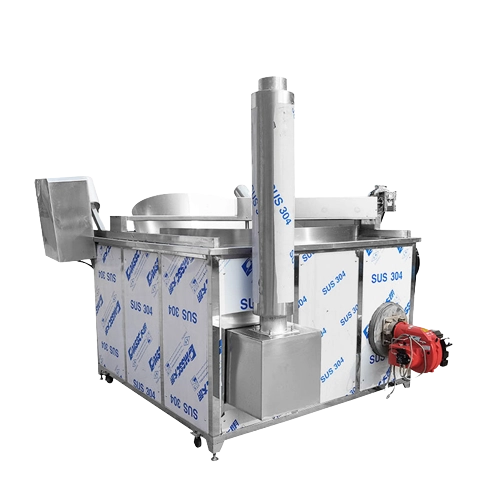
  • Heating element: It can be electric, gas or steam type, used to heat oil to the set temperature.
  • Temperature control system: It accurately controls the oil temperature via sensors and a controller, ensuring consistent quality of fried food.
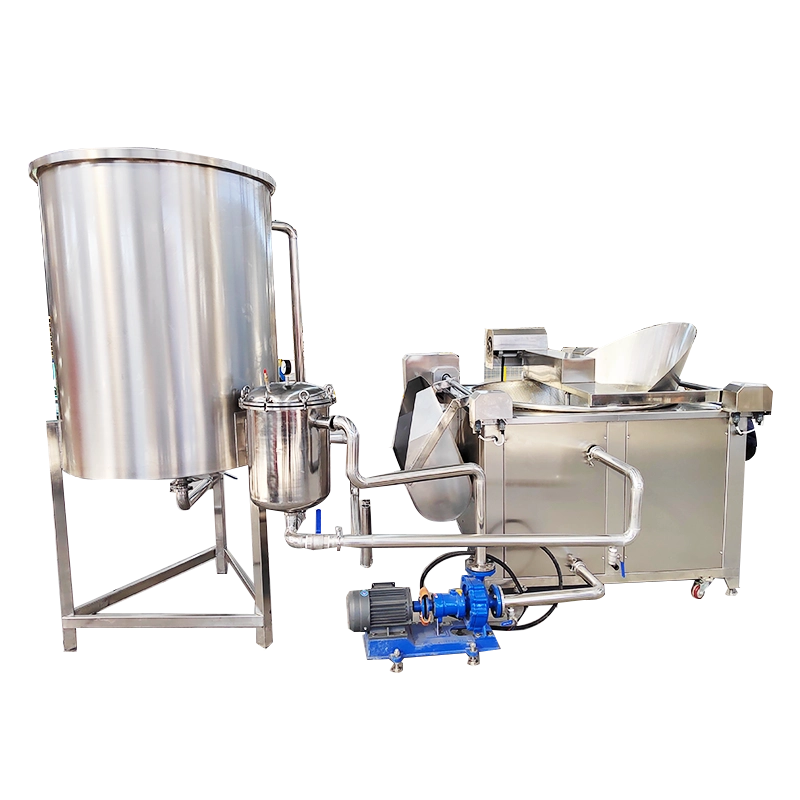
  • Oil tank and filter: The tank stores cooking oil, while the filter removes impurities and residues to prolong the service life of the oil.
  • Exhaust system: Some fryers are fitted with exhaust hoods and ducts to remove smoke and odors generated during frying.


Technical Characteristics:

  • High efficiency and energy saving: The fryer adopts advanced heating technology and a heat recovery system, enabling rapid heating and stable maintenance of oil temperature, improving frying efficiency and reducing energy consumption.
  • Easy to operate: Equipped with an intelligent control system, users only need to set the temperature and time to realize automatic frying, without frequent manual intervention.
  • Safe and reliable: The fryer is fitted with overheating protection and leakage protection devices to ensure safe operation. Its anti-scald design also prevents burn injuries.
  • Easy to clean: The structural design of the fryer and oil filter allows easy disassembly and cleaning, maintaining the hygiene of the equipment.


Application Scenarios:

  • Fast food restaurants: Used to fry foods such as French fries, chicken nuggets and chicken wings.
  • Restaurants and hotels: Used to prepare various fried dishes, such as spring rolls and shrimp balls.
  • Food processing plants: Used for the large-scale production of fried food, such as fish fillets and meat pies.


Selection and Maintenance

1.Selection Considerations

  • Capacity requirements: Select a fryer with appropriate capacity and power according to the average daily output of fried food.
  • Energy type: Choose an electric, gas or steam fryer based on the kitchen’s energy supply conditions.
  • Functional requirements: Select a fryer with suitable functions according to the type of fried food and processing needs, such as automatic stirring and automatic discharging.
  • Safety: Choose a fryer equipped with overheating and leakage protection devices to ensure safe operation.

2.Maintenance

  • Regular cleaning: Clean the fryer body and oil filter after each use to prevent oil residue buildup from affecting frying effects.
  • Regular oil replacement: Replace cooking oil periodically according to frying volume and oil quality changes, to guarantee the taste and safety of fried food.
  • Heating element and temperature control system inspection: Regularly check the heating element and temperature control system to ensure normal operation and accurate temperature regulation.
`
Products
Contacts
WhatsApp
Email